Monthly Archives: February 2020

Passion and the Tabernacle

Passion and the Tabernacle

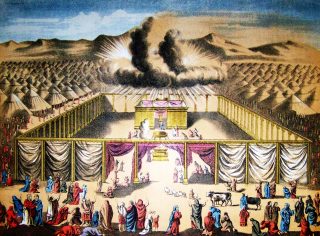
Thirteen of the last sixteen chapters of Exodus deal with the construction and fitting-out of the Tabernacle in the wilderness. It is a remarkably lengthy passage, in contrast to the economical treatment of every other topic in the Torah. The attention paid to the construction of the Tabernacle shows just how important sanctuaries and temples were in the ancient world.

Continue reading
Daylight Robbery

Daylight Robbery

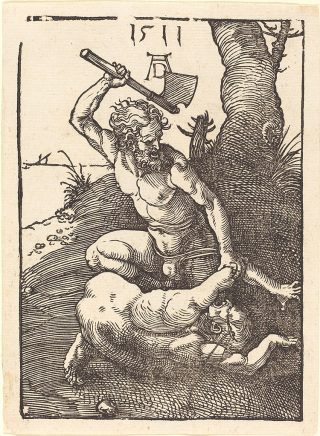
One of the aims of the early biblical commentators was to explain how the biblical text was relevant in their own times. This was particularly important when it came the legal passages of the Torah. The law represented the framework within which one should live; if the law as stated in the biblical text made little sense, or was confusing, then the commentators needed to clarify it. Even if at times the clarification involved ideas not implied in the plain meaning of the text.

Continue reading
In Praise of Suffering?

In Praise of Suffering?

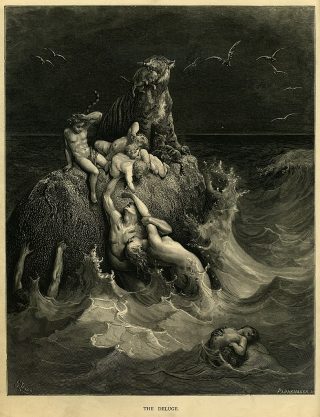
Lacunae in the biblical text give the Midrash the opportunity to insert its own ideas. Frequently these insertions, instead of trying to clarify the biblical text, reflect matters of concern in their own time. The Mechilta, the earliest commentary on Exodus, attaches an idea to the phrase “you shall not do with me” which is far removed from the plain meaning of the text.

Continue reading
Suffering for Love

Suffering for Love

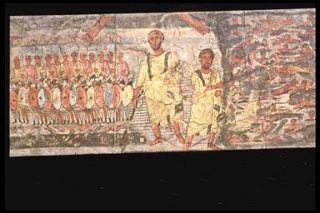
As far as the ancient rabbis were concerned the crossing of the Red Sea was an even greater event than the Exodus from Egypt. The Exodus had removed the Israelites from Pharaoh’s grasp, but as long as they were still on Egyptian territory, they could still be captured and brought back. It wasn’t till they crossed the sea, a barrier that proved impenetrable to the Egyptian army, that the Israelites could be truly certain that they were safe.

Continue reading
© 2026 Harry Freedman Books