Archives: Judaism

Remembering Irving Jacobs

Remembering Irving Jacobs

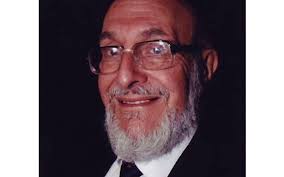
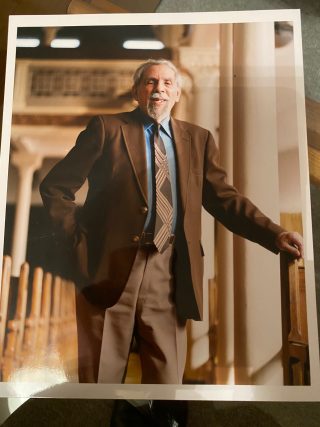
Rabbi Dr Irving Jacobs, who passed away this week, was arguably British Jewry’s most inspirational academic teacher, a man who deserved far greater recognition than he received. His talent lay in a unique blend of easy-going humour, the enthusiasm that he showed for whatever topic he was teaching and an innate sense of how to connect with his students.

Continue reading
The Battle of Ideas Explodes

The Battle of Ideas Explodes

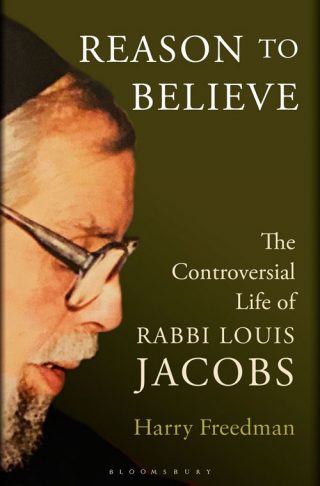
In 1962 Louis Jacobs was out of a job. Two years earlier he had given up his pulpit at the New West End Synagogue to take up a lectureship at Jews’ College. He had been informally advised that he would become College Principal when Rabbi Dr Isidore Epstein retired. When Dr Epstein did retire the Chief Rabbi, Dr Israel Brodie made it clear that he would not promote Jacobs because of his views on the authorship of the Torah, expressed in his book We Have Reason to Believe. Jacobs handed in his resignation to Jews’ College.

Continue reading
Rehabilitating Aaron

Rehabilitating Aaron

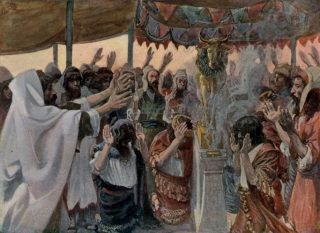
The ceremony to induct Aaron and his sons into the priesthood worried the expositors of the Midrash. It was Aaron who had made the Golden Calf, the worst of all the offences committed by the Israelites in the wilderness. Even though he was Moses’s brother, and stood alongside him in the confrontation with Pharaoh, to give him the high priesthood after such an event seemed wholly inappropriate. It looked, heaven forfend, like nepotism: Moses giving the most important job, after his own, to his brother.

Continue reading
When a Soul Sins

When a Soul Sins

In biblical Hebrew the word nefesh, which we usually translate as ‘soul’, is often used to mean ‘somebody’ or ‘a person’.
The midrash illustrates the point it wants to make with a well known parable, about a king who appoints two watchmen to guard his orchard. One is blind and the other lame. The king warns them not to steal the fruit in the orchard.

Continue reading
Moses’s Leadership Challenge

Moses’s Leadership Challenge

The authors of the Midrash were fascinated by the dialogue between God and Moses after the episode of the Golden Calf. They were intrigued by the fact that Moses succeeded in persuading God to forgive the Israelites and give them a second chance, rather than carrying out his threat to wipe them out in the wilderness.

Continue reading
When Words Defeated Haman

When Words Defeated Haman

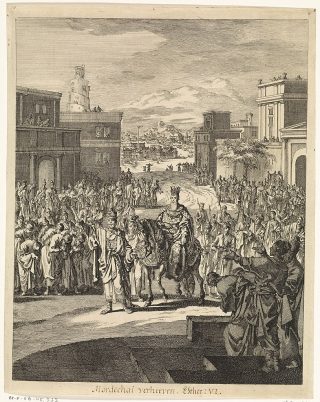
The instruction to Moses to ordain Aaron and his sons began with the statement “And this is the thing which you shall do to them to sanctify them…” (Ex 29,1). It is not the most economical use of language and the unusual phrasing caught the eye of the ancient bible interpreters, the compilers of the Midrash. What extra meaning, they wondered, is added by the apparently superfluous words “this is the thing which you shall do”? Why not just say “this is what you shall do?”

Continue reading
Daylight Robbery

Daylight Robbery

One of the aims of the early biblical commentators was to explain how the biblical text was relevant in their own times. This was particularly important when it came the legal passages of the Torah. The law represented the framework within which one should live; if the law as stated in the biblical text made little sense, or was confusing, then the commentators needed to clarify it. Even if at times the clarification involved ideas not implied in the plain meaning of the text.

Continue reading
© 2026 Harry Freedman Books